The State of Our Schools: Addressing the Challenges Facing Missouri Public Education
Public education in Missouri stands at a critical crossroads. As we navigate the complexities of 2026, students, teachers, parents, and community members across the state are grappling with shifting legislative priorities, persistent resource disparities, and the ongoing need to define what truly constitutes a high-quality educational experience.
At My Total Take Too, we believe that informed communities are the foundation of a healthy public school system. Understanding the current plight of Missouri public education requires us to look past the headlines and examine the lived realities of our schools—from the bustling corridors of our urban centers to the heart of our rural communities.
The Current Landscape: Legislative and Systemic Hurdles
The 2026 legislative session in Missouri highlights the intense focus on education policy. However, turning legislative intent into impactful, positive change remains a complex challenge. While new laws aim to address specific areas—such as school security and student protections—many broader proposals regarding school choice, grading systems, and funding models face significant hurdles or remain in flux.
This legislative environment underscores a broader question: What does our state owe its students? There have been active efforts to firmly establish public education as a fundamental right, mandating the state to maintain adequate, thorough, and uniform high-quality free public schools. These conversations are not just political maneuvers; they are essential debates about the future of our youth.
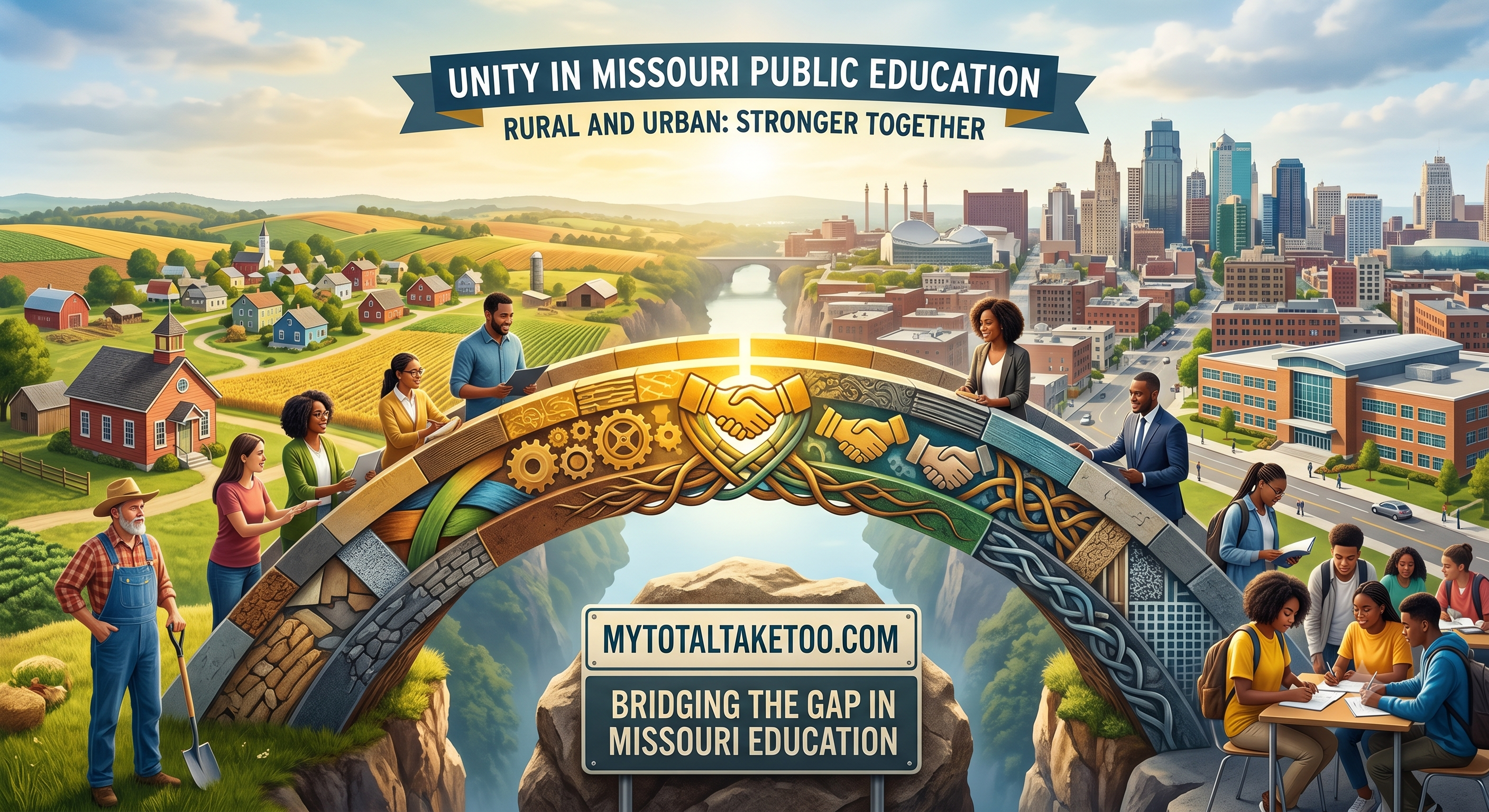
Bridging the Rural-Urban Divide
One of the most persistent issues in Missouri education is the stark disparity between different regions of the state. When we discuss the "plight" of education, we are often talking about the vastly different experiences of students based solely on their zip code.
The Rural Experience
In many rural parts of Missouri, schools often serve as the central hub for the entire community. However, these districts frequently face unique hurdles, including resource limitations, inadequate access to technology, and fewer specialized programs. Despite these challenges, rural schools often benefit from close-knit relationships among educators, parents, and local organizations, which foster a strong sense of belonging. The challenge for rural education is maintaining that vital community connection while ensuring students have access to the resources necessary to compete in a global economy.
The Urban Experience
Conversely, urban school districts in Missouri often grapple with a different set of systemic challenges. High student-to-teacher ratios, overcrowded classrooms, and the complex task of addressing the diverse needs of students—many of whom may be navigating varying socio-economic backgrounds—create a high-stakes environment. In urban settings, community involvement may require different, more targeted strategies to foster connections among diverse groups to create a unified support system.
The Power of Community and Family Engagement
If legislative solutions are often slow and contentious, the power of local community involvement remains a reliable, transformative force. My Total Take Too advocates for a shift in perspective: we must view the school not as an isolated institution, but as a community partner.
Why Engagement Matters
Research and practice both demonstrate that when parents actively participate in their children's education, it fosters a supportive learning environment that significantly influences student achievement. Effective family-school partnerships do more than just improve attendance; they strengthen the connection between families and schools, creating a collaborative atmosphere conducive to learning.
Strategies for Strengthening Partnerships
- Facilitating Meaningful Participation: Educators can implement innovative strategies, such as flexible meeting times and digital communication tools, to accommodate busy schedules and bridge the gap for parents.
- Embracing Outreach: Schools can benefit from outreach programs that connect with parents through community events, workshops, and informational sessions that respect cultural and socioeconomic differences.
- Leveraging Local Expertise: Partnerships with local businesses, non-profits, and civic organizations can provide students with mentorship, internships, and real-world experiences that complement their academic studies.
- Collaborative Programming: Teachers can work alongside community leaders to design initiatives—such as after-school programs or community projects—that address specific local needs and foster a sense of community ownership.
Moving Forward: A Call to Action
The plight of public education in Missouri is not an unsolvable mystery. It is a complex, ongoing project that requires the attention and active participation of every stakeholder.
We encourage you to:
- Stay Informed: Keep track of how legislative decisions impact your specific local district and engage with your local school board.
- Get Involved: Look for opportunities within your local PTO or community outreach programs to support family-school partnerships.
- Share Your Story: The more we discuss the unique needs of our rural and urban schools, the better equipped we are to advocate for necessary changes and share successful strategies.
At My Total Take Too, we remain committed to highlighting these issues and providing a platform for the conversations that matter. Missouri’s students deserve an educational environment that is not only adequate but truly exceptional. Together, we can work to turn that vision into a reality.
Are you looking for more resources or insights on community involvement in education? Explore the rest of MyTotalTakeToo.com for guides, tips, and strategies designed to empower our schools.